
Actualités

What is a modern goalkeeper?

Tanguy Jourdan, Académie Gardien de But

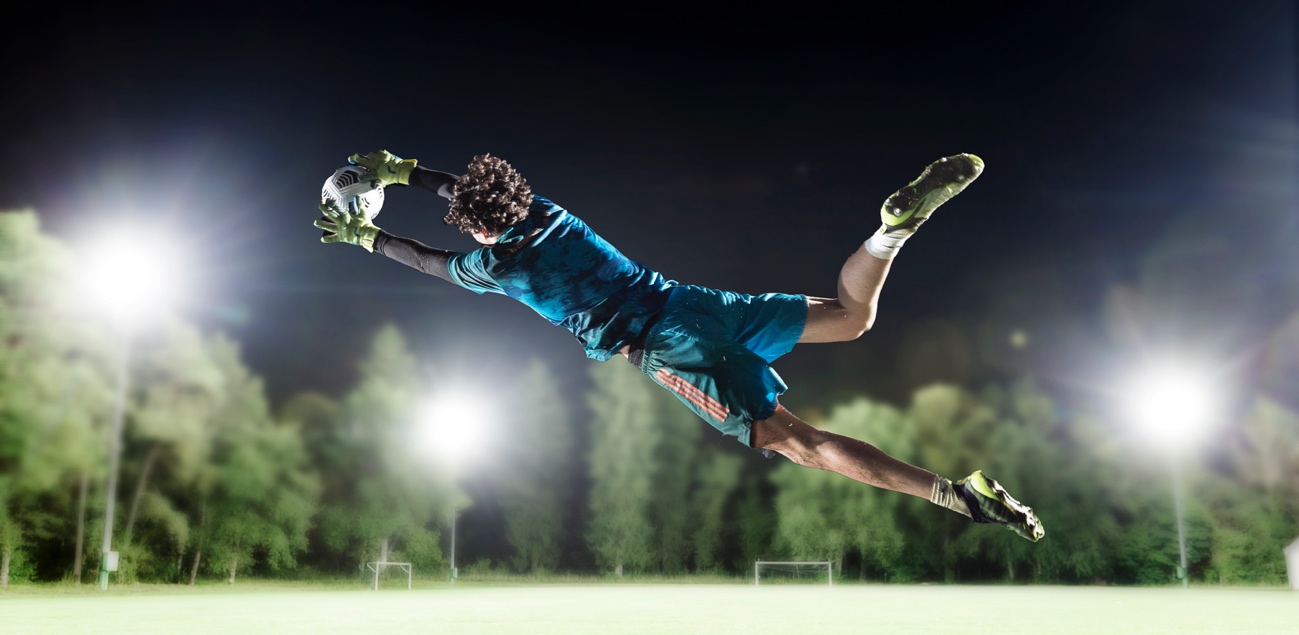
Today’s goalkeeper needs to be as much of an all-rounder as possible if he is to be decisive in matches. To this end, his specific training sessions comprise elements of technical/tactical work, as well as athletic and mental preparation. Nothing is left to chance, so that he can be as effective and efficient as possible in a match.

The goalkeeper is the team’s last line of defence, yet he is still too often forgotten by those in football. Today’s goalkeeper plays a crucial role alongside his teammates. Like any other player, he has to be decisive for his team, but he also has to be involved in the game alongside his teammates. In fact, the modern goalkeeper is an all-rounder who is capable of being a part of the team with his footwork, his positioning relative to the team block, his poise and his communication skills. For this reason, mental preparation is one aspect that a keeper must not neglect. He must exude a certain charisma, shoulder his responsibilities, be a reassuring influence on his teammates and be assertive in the penalty area. We should not forget that he is the player with the greatest vision of the game, so it is up to him to guide his teammates by communicating as accurately as possible with them. 

Adapting the technical/tactical work to the intensity of the match

The speed of play has increased significantly over the last several decades, with players raising their game to a higher level. They are increasingly athletic and technical, and the goalkeeper must adapt to this intensity. 

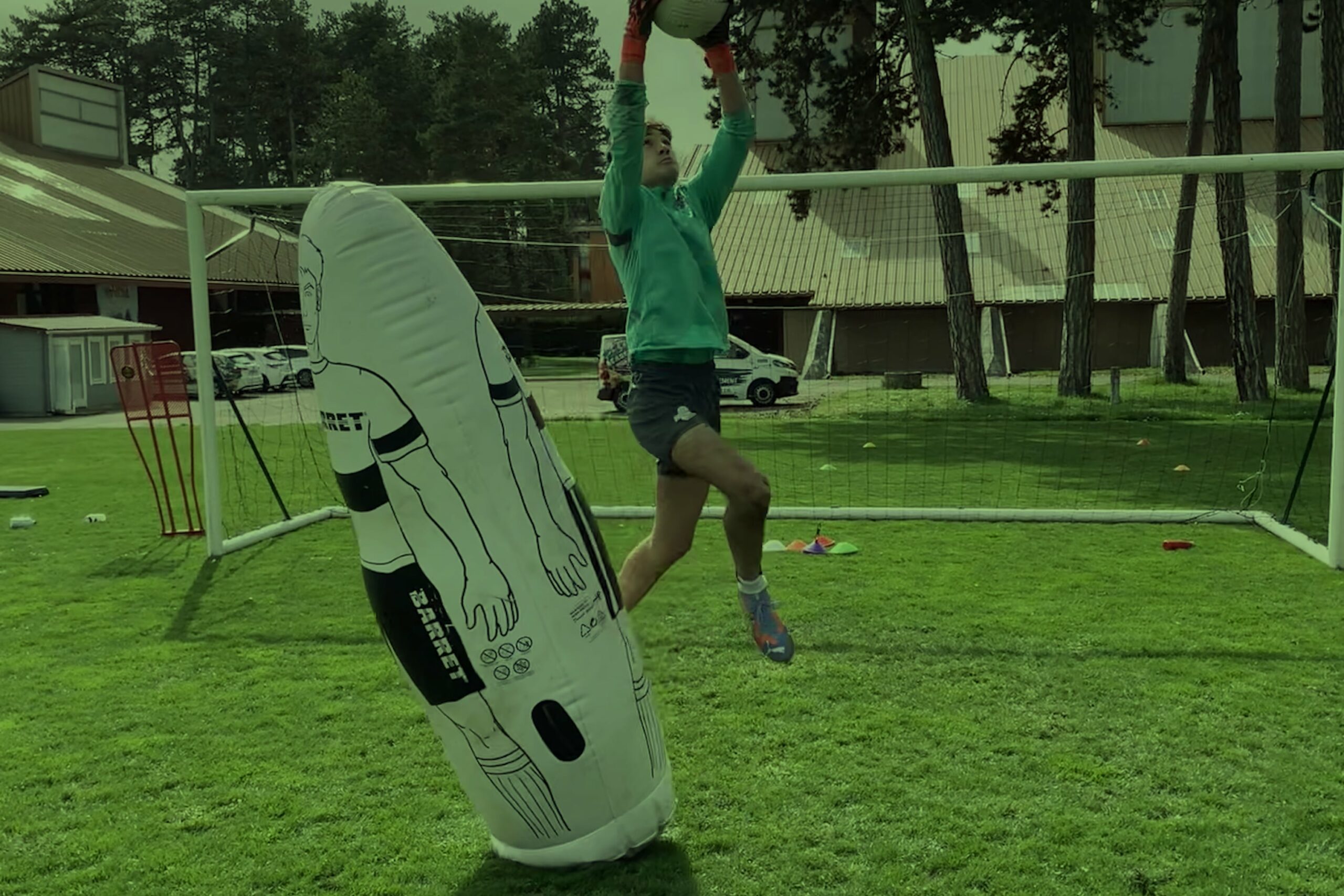
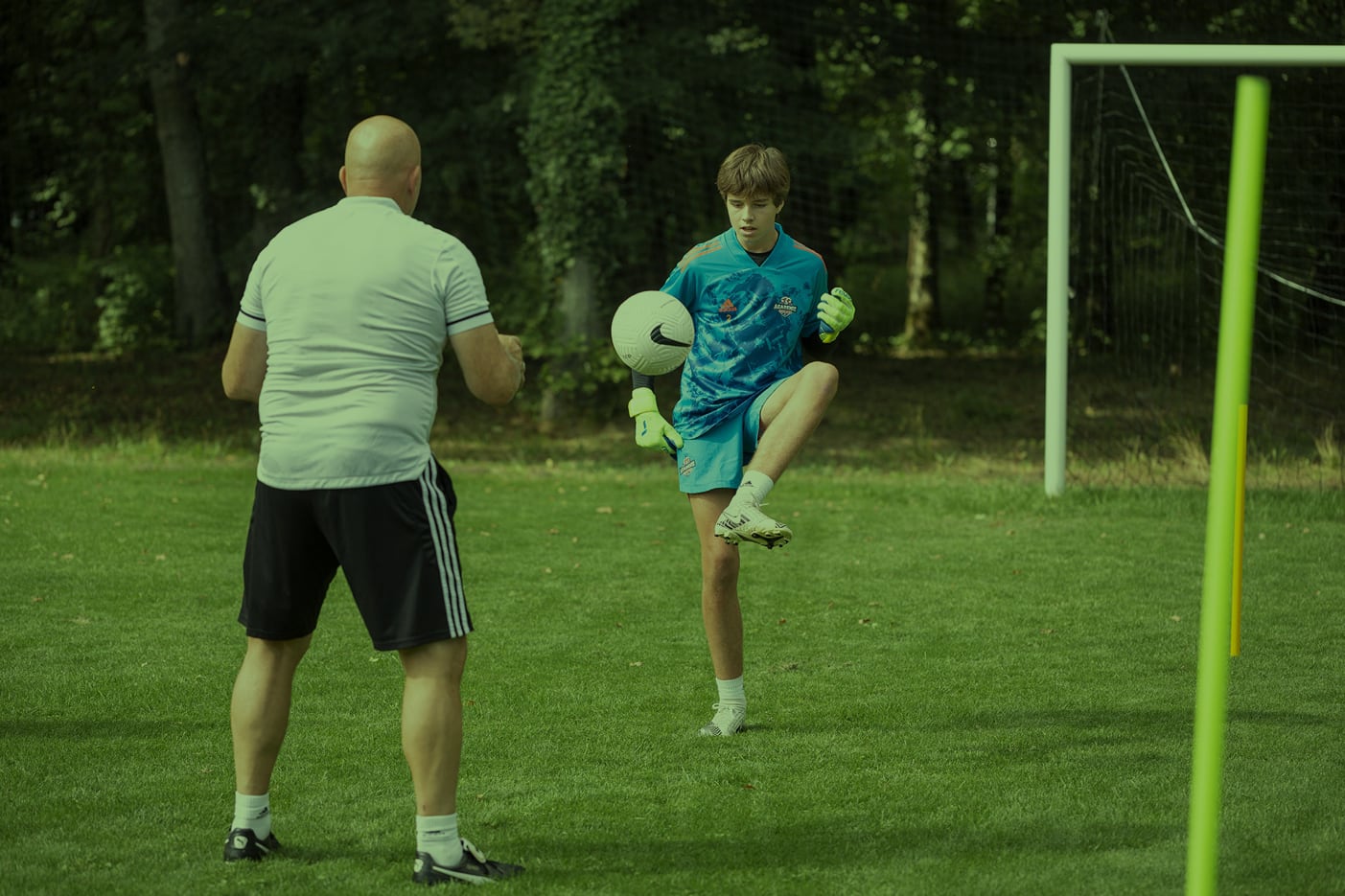
In specific training sessions, goalkeeping coaches work on the technical aspects of the game to ensure that goalkeepers are as effective as possible, particularly in terms of footwork, taking the ball to the ground, diving, aerial clearance and duels. This aspect is practised in relation to match actions so that the goalkeeper can keep up with the speed of play. He must then raise his technical level to match the high speed of the match action discussed in training. 

Keepers who understand this logic take their standard of play to a new level, which will help them work their way up in the sport. 

However, the goalkeeper’s physical preparation is an essential element that must be taken into consideration.

Increasing emphasis on explosive strength

Today’s goalkeepers are increasingly better prepared as athletes. They benefit from bodybuilding, weightlifting and physical preparation specific to their position. 

The aim is to develop the two fundamental qualities of maximum strength and speed in young players, to give them a solid base on which to build over time in accordance with their age, weight and height. The goalkeeper will then develop the qualities of strength and speed, explosive strength, low and high plyometrics with the fundamentals of weightlifting, so that he is able to perform repetitions at a very high level and at very high speed on the pitch and can be as efficient as possible.
Actualités

Today’s amateur goalkeepers are tomorrow’s professionals

Tanguy Jourdan, Académie Gardien de But

We are noticing a marked lack of consideration between amateur and professional football today, especially for the position of goalkeeper. We wonder how the amateur world copes with the obstacles it faces in ensuring continuing training for amateur goalkeepers, who will be the professional keepers of tomorrow. 

“Which teams have won major trophies? Those that have powerful forwards, but also a decisive goalkeeper.” 

The goalkeeper plays a very important role within a team today and can turn the tide of a match. In fact, a goalkeeper can be worth around ten points in the league. To be decisive in a match, he must be ready at any moment, even for a single action or a single save. 

At present, professional clubs rely on amateur clubs to discover the best talent in order to get top performance and have top-level goalkeepers. There is no professional football without amateur football. Amateur football is where most goalkeepers are, and where the training is. This is a boon for the professional structures. 

Lack of consideration in amateur football

We have always been used to seeing the least technical and least athletic player on the team playing in goal. This phenomenon has existed for many years now and is still very present in football today. It is a luxury for a team to have a goalkeeper who is passionate about and committed to his position, so that the team performs well over the course of the season. 

Although an increasing number of young people are taking an interest in the position, training for goalkeepers at clubs is still inadequate or even non-existent. According to a study carried out by Gardien de But Développement in the two Savoie regions, only 10% of clubs (30 out of 300) have a dedicated structure in place for the position of goalkeeper. This means that clubs lack consistency in developing their goalkeepers’ performance from the youngest age group right through to the senior category. 

“My goalkeeper was ineffective.” “I’m losing my matches because of the goalkeeper.” “I don’t have a goalkeeper.” What solutions can we come up with to address remarks like these ?

The need for structure in professional clubs

For several decades now, professional football has been one of the most important worldwide markets and has been growing substantially. As a result, clubs have had to put structures in place to meet the high demands of the professional world. More specifically, in sporting terms, results have an effect on a club’s financial health. To achieve results, it is essential to have a quality staff that can work optimally with the players. Professional goalkeepers currently have professional coaches who specialise in the position, enabling them to perform more effectively. Goalkeepers receive specific training, as well as specific physical preparation, cognitive sessions and video analysis sessions. The goalkeeper can then progress under optimum conditions, improving both his own performance and that of the club. This comprehensive approach means that the goalkeeper can be considered as an all-round team player alongside the outfield players. 

Thanks to the human and especially the financial resources available in the professional world, goalkeepers have an ideal working environment in which to perform with their teams.

Actualités

What does a goalkeeper need in order to perform well?

Tanguy Jourdan, Académie Gardien de But

The position of goalkeeper has changed considerably over the last fifty years. The goalkeeper has gone from playing an almost non-existent role to being a major active participant in the success of his team. So how do coaches and staff in charge of goalkeepers’ development approach performance analysis for goalkeepers ?

Consideration of the position of goalkeeper over the years

The position of goalkeeper has been constantly changing since the 1990s. The rules of the game relating to goalkeepers have been amended since the 1992 World Cup, so that they are now an integral part of the team. Indeed, since that year’s World Cup, goalkeepers are no longer allowed to handle the ball following a back-pass from a teammate. In addition, the goalkeeper uses footwork a lot more to bring more speed to the game. 

Previously, goalkeepers were evaluated mainly on their ability to make saves. Today, the position of goalkeeper has become the most comprehensive and complex in terms of analysis and coaching.

A disparity in coaching for goalkeepers

Over the years, goalkeeper training has become more comprehensive, particularly in professional structures. The staff do all they can to help goalkeepers improve their physical, tactical and mental capabilities, so that they can perform more effectively. At the same time, in the amateur world, goalkeepers are not always taken into consideration, despite the complexity of the position, and clubs do not always have the necessary resources to help them improve their performance.

At present, the amateur world is not always equipped to train goalkeepers or to analyse their performance. But solutions do exist to address this disparity. 

How do you analyse a goalkeeper effectively in a match situation?

The goalkeeping coach must be able to take note of all the details of his goalkeeper’s match in all aspects of the game. These details will enable the coach to adapt his training sessions according to the keeper’s performance. 

Areas of focus include technique, tactics, and cognitive and psychological aspects. Coaches have their own methodologies for studying these elements. Some take notes during the match, whereas others will wait for video footage from the match so that they can analyse all these details from a position of hindsight (the latter approach is still rare at amateur level). 

In all cases, coaches conduct a review of the match with their goalkeepers at the start of the following week.